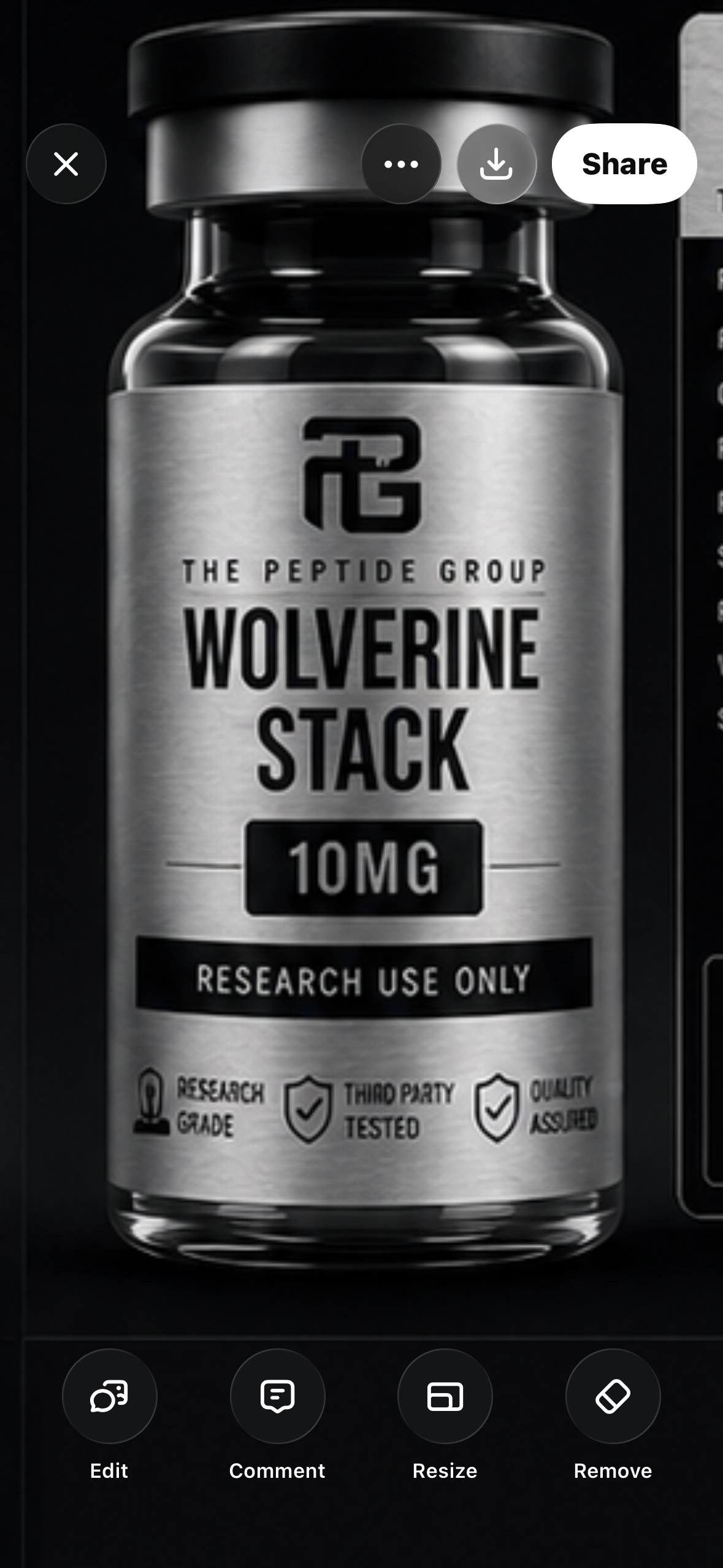
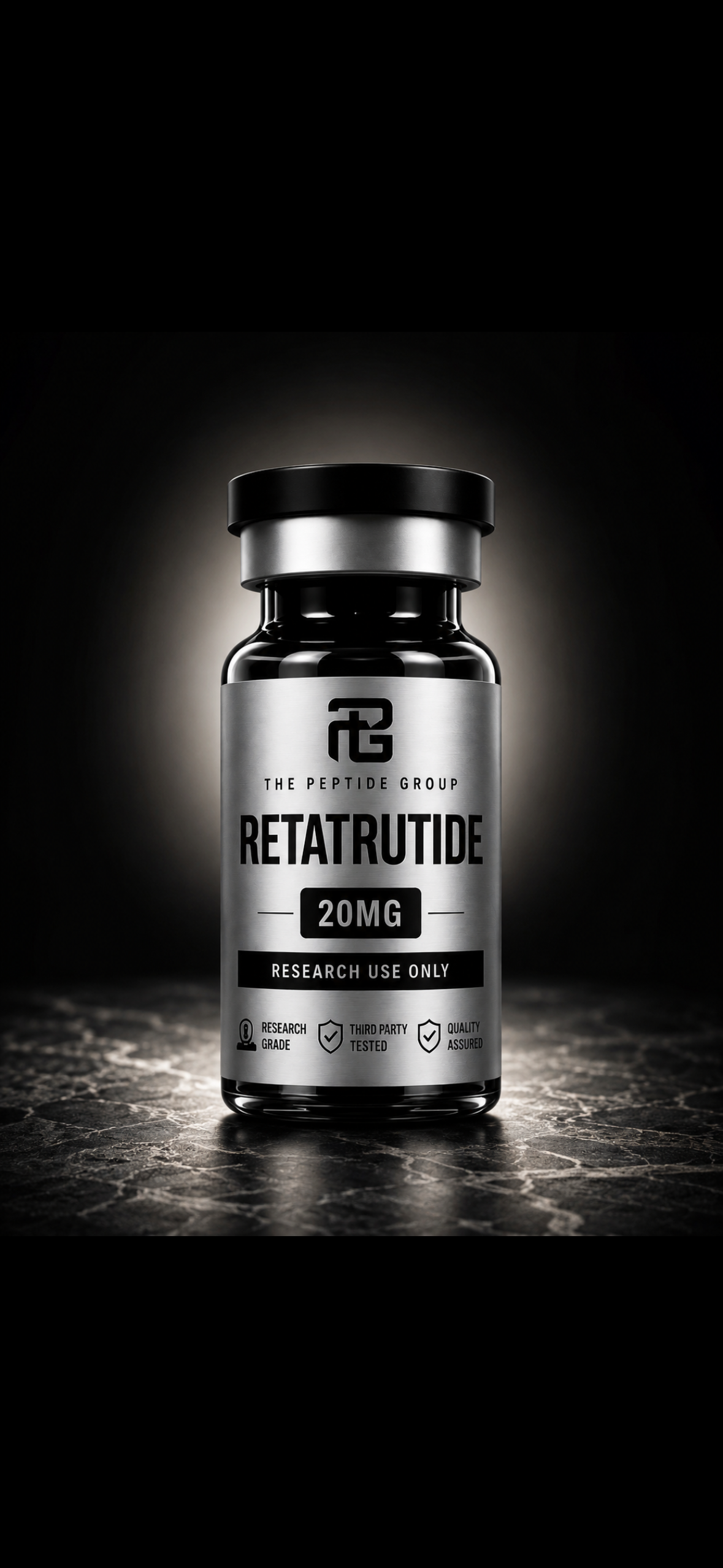
BPC-157 + TB-500, Simplified
Why do researchers almost always study these together?
Imagine a massive office building catches fire.
When the smoke clears…
Broken windows.
Collapsed walls.
Water damage everywhere.
The city immediately sends two different teams.
The first team repairs the building.
The second team makes sure workers, equipment, and supplies can reach every floor that needs attention.
One fixes the damage.
The other keeps the repair project moving.
That’s one of the easiest ways to understand why researchers became interested in pairing BPC-157 with TB-500.
Researchers don’t study these peptides together because they’re identical.
Quite the opposite.
They’re studied together because they appear to participate in different parts of the body’s natural repair processes.
Think of it like rebuilding after a disaster.
BPC-157 is the repair crew.
They’re replacing drywall.
Repairing broken pipes.
Fixing what was damaged.
TB-500 is the logistics team.
They’re opening roads.
Moving equipment.
Making sure workers can reach every job site.
Different jobs.
Same mission.
That’s why researchers often pair them.
So why stop there?
Imagine restoring a luxury hotel.
Repair crews are already working.
Logistics teams are delivering supplies.
But the architect still hasn’t shown up.
No one’s redesigning the lobby.
No one’s choosing better materials.
No one’s planning how the finished building should actually look.
That’s where researchers became interested in GHK-Cu.
Instead of simply repairing damage…
Researchers study GHK-Cu because of its involvement in skin biology, collagen production, and tissue remodeling.
It’s less about fixing what’s broken…
And more about how the finished project is rebuilt.
That’s why GLOW exists.
Think of it like restoring an entire building.
BPC-157
Repairs the damage.
TB-500
Keeps workers and supplies moving.
GHK-Cu
Helps guide the renovation and finishing work.
Three different jobs.
One restoration project.
Then why add KPV?
Imagine the entire construction site is buried in debris.
Garbage.
Dust.
Twisted metal.
The workers are ready.
The architect has a plan.
The trucks have arrived.
But nobody can work until someone clears the mess.
That’s why researchers became interested in KPV.
KPV is being studied for its role in inflammatory signaling and immune-related pathways.
Think of it as the cleanup crew.
It helps clear the job site so everything else can continue.
The 30-Second Takeaway
BPC-157
The repair crew.
TB-500
The logistics team.
Together, researchers study whether they complement each other because they appear to contribute to different aspects of tissue repair.
Add GHK-Cu…
Now you’ve hired the architect.
Add KPV…
Now you’ve hired the cleanup crew.
The project isn’t just repaired.
It’s organized from beginning to end.
One sentence to remember
BPC-157 fixes the building. TB-500 keeps the project moving. GHK-Cu helps guide the renovation. KPV clears the job site. Researchers study them together because each appears to contribute a different piece of the restoration process