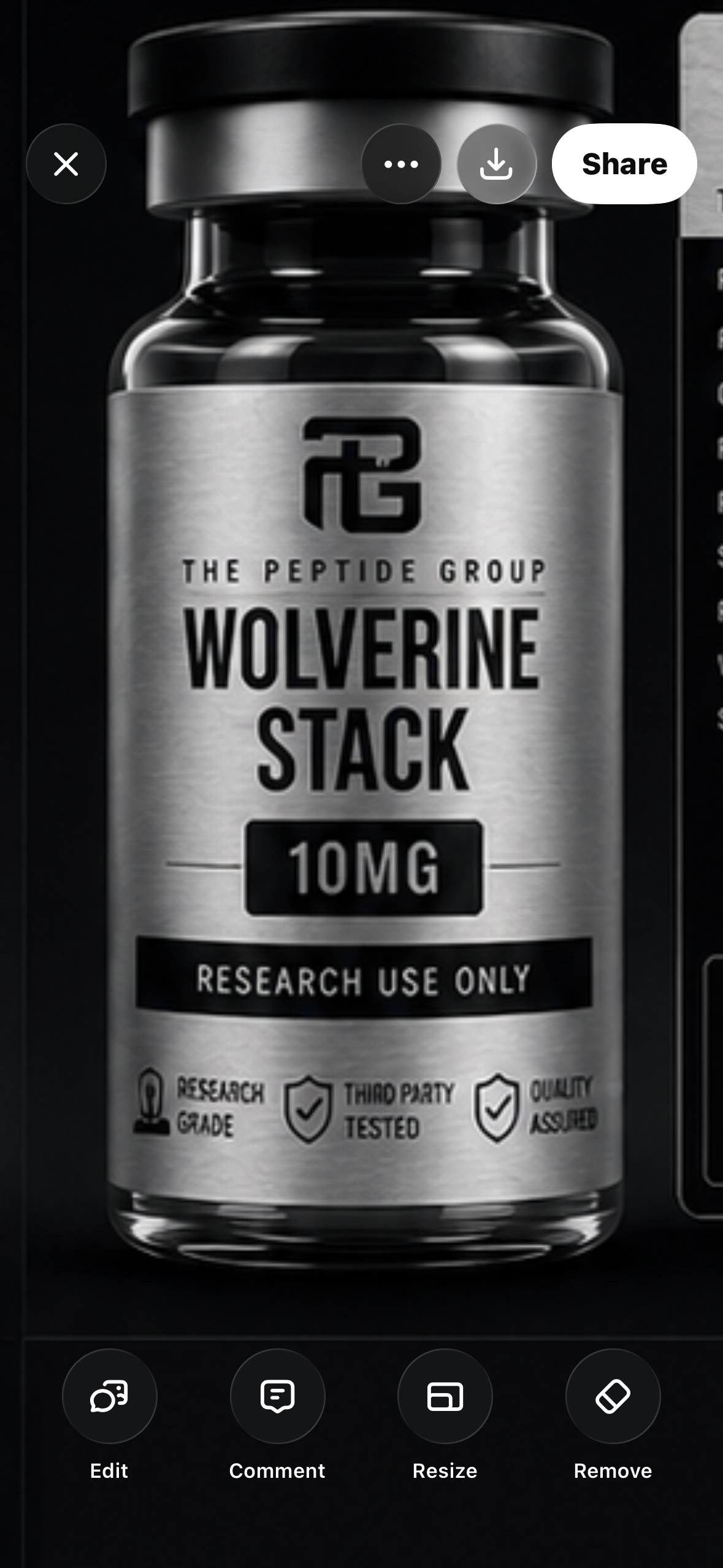
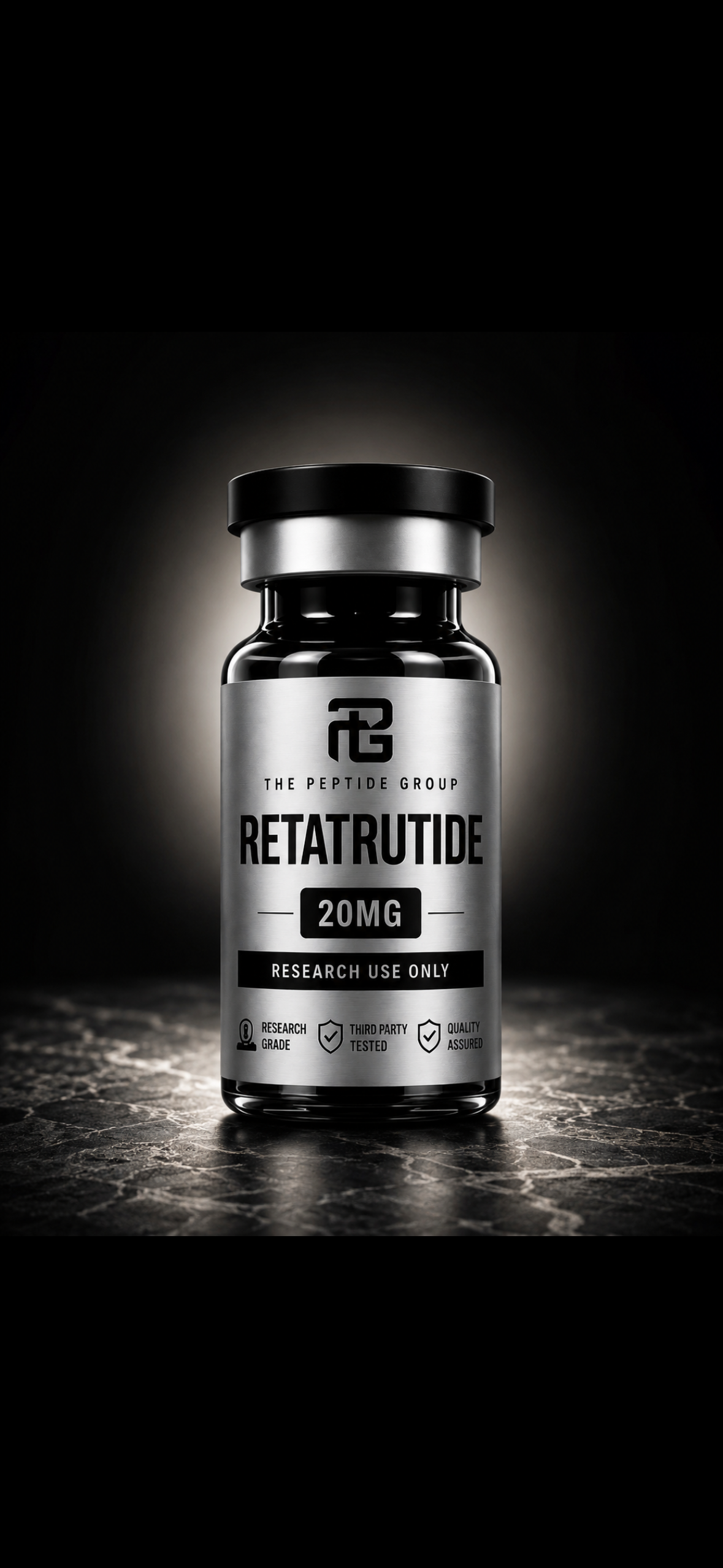
KLOW, Simplified
Why combine GHK-Cu, BPC-157, TB-500, and KPV?
Imagine an entire neighborhood is being rebuilt after a devastating storm.
Construction crews are repairing homes.
Architects are redesigning damaged buildings.
Logistics teams are moving workers and supplies across the city.
But there’s one more problem.
The streets are still covered in debris.
Garbage trucks can’t get through.
Repair crews keep running into obstacles.
Before the neighborhood can truly recover…
Someone has to clean up the mess.
That’s one of the easiest ways to understand why researchers became interested in adding KPV to this blend.
Researchers study each peptide for a different reason.
GHK-Cu has been studied for skin biology, collagen production, and tissue remodeling.
BPC-157 has been studied for tissue repair and localized healing processes.
TB-500 has been studied for cell movement and the body’s natural repair response.
KPV has been studied for its role in inflammatory signaling and immune-related pathways.
Think of it like rebuilding a city.
GHK-Cu is the architect creating the restoration plan.
BPC-157 is the construction crew repairing the damage.
TB-500 is the logistics team getting workers where they’re needed.
KPV is the cleanup crew clearing debris so the work can move forward.
Researchers are interested in how these different roles may complement one another.
The 30-Second Takeaway
Each peptide is being studied for a different piece of the puzzle.
One helps organize the rebuild.
One helps repair.
One helps coordinate the work.
One helps clear the job site.
That’s why this combination has attracted attention in peptide research—it’s designed around different research roles rather than repeating the same function four times.
One sentence to remember
If rebuilding your body were like rebuilding a city after a storm, GHK-Cu draws the blueprint, BPC-157 repairs the buildings, TB-500 moves the crews across town, and KPV clears the debris so the work can keep moving.