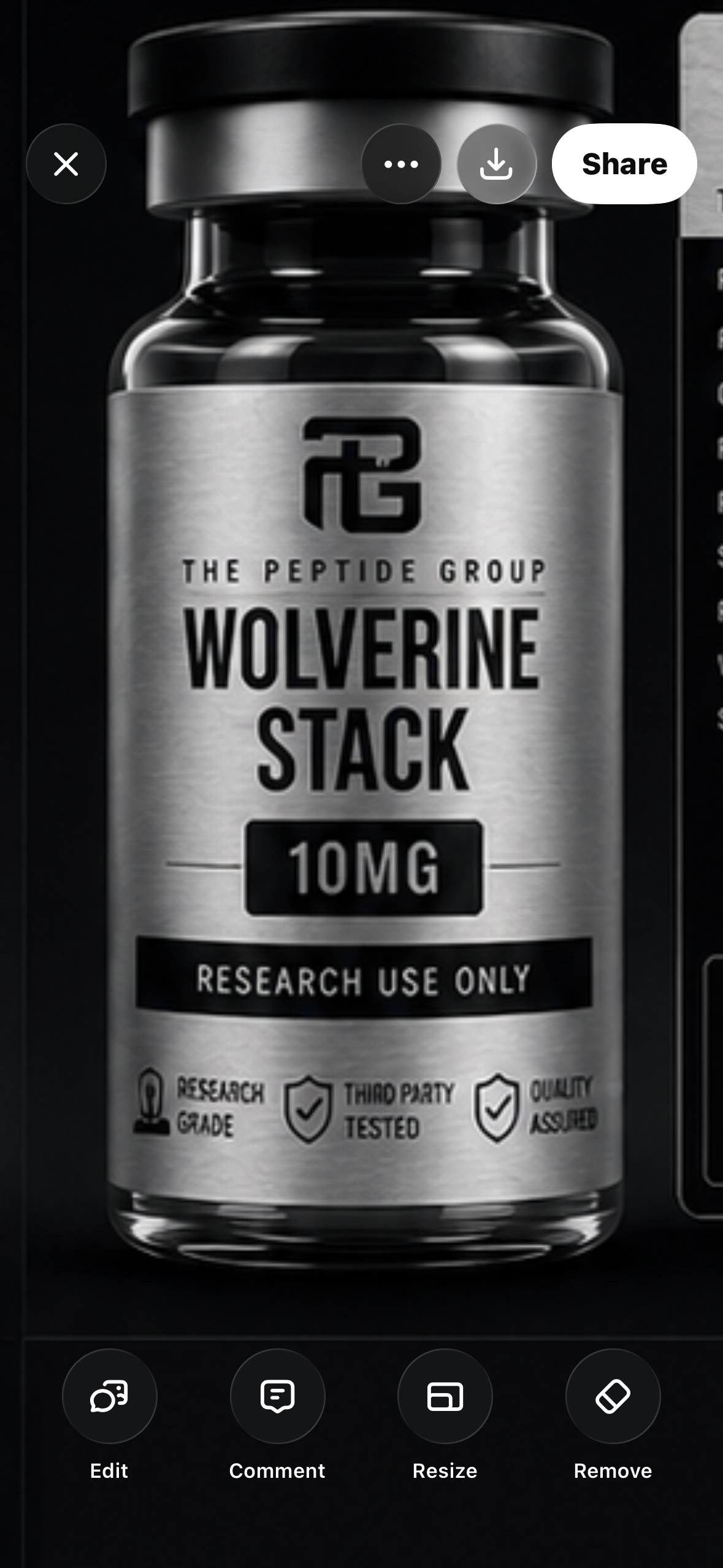
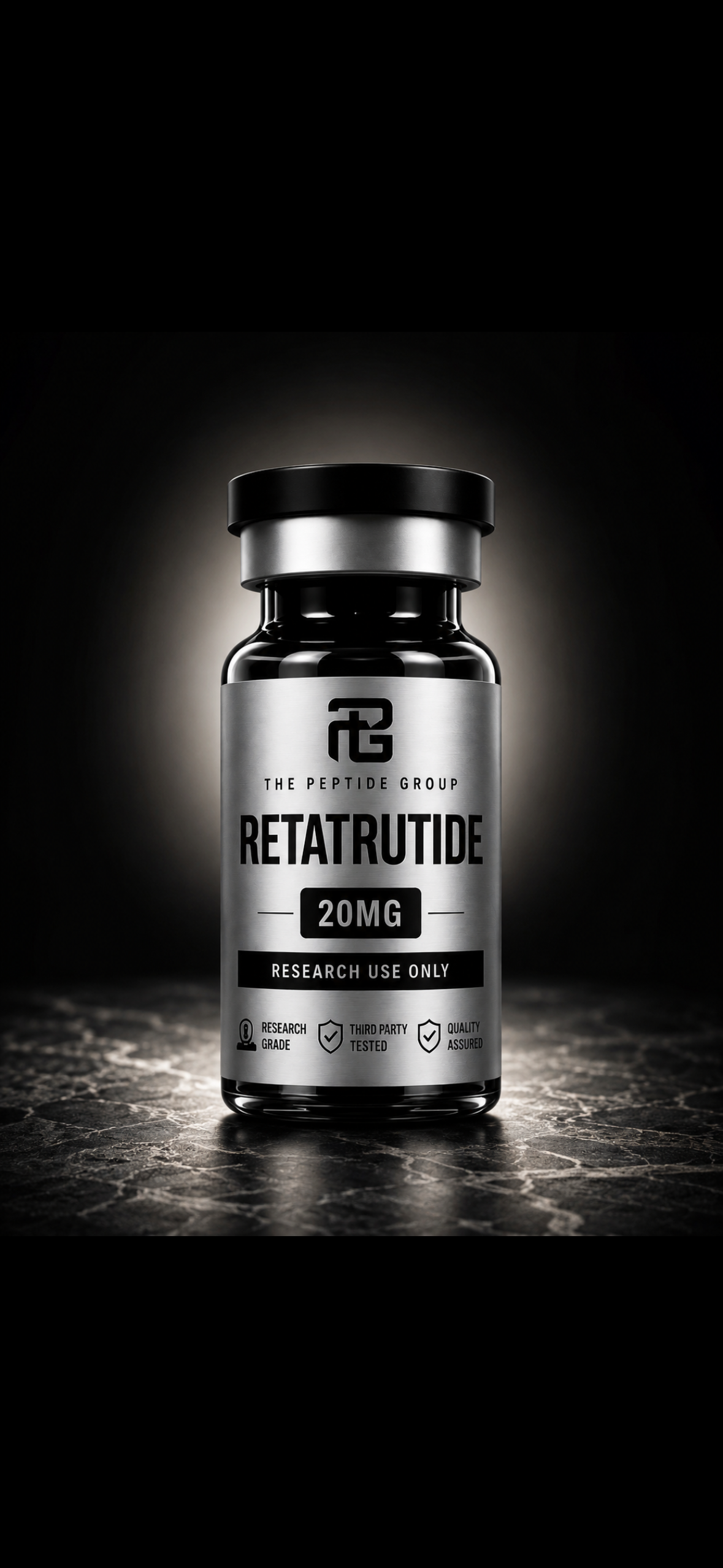
Why Can Two Peptide Vials Look Completely Different?
Because appearance is not a reliable quality test.
One vial may contain a tight white puck. Another may look fluffy, cracked, uneven or stuck to the side of the glass.
That does not automatically mean one is good and the other is bad.
Lyophilized material can look different depending on the peptide, the amount in the vial, the freeze-drying process, moisture exposure and how it was handled during shipping.
A rough-looking puck can still test well.
A perfect-looking puck can still be questionable.
That is why judging a peptide entirely by how clean or pretty the vial looks is a bad shortcut.
Packaging matters. Presentation matters. But neither one replaces testing.
The vial can look expensive and still tell you almost nothing about what is actually inside it.
All products are sold strictly for laboratory research purposes and are not intended for human consumption.