 Image 1 of 3
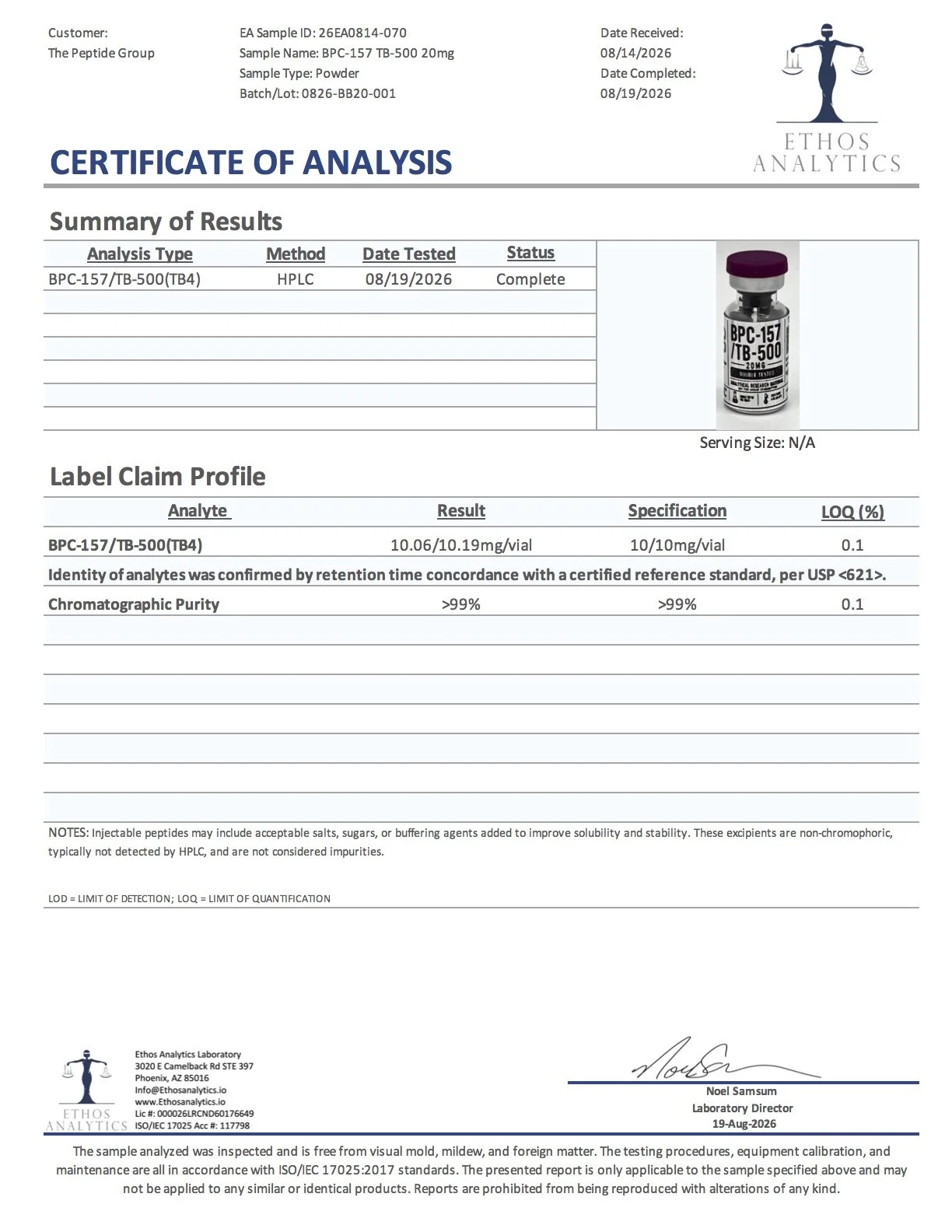 Image 2 of 3
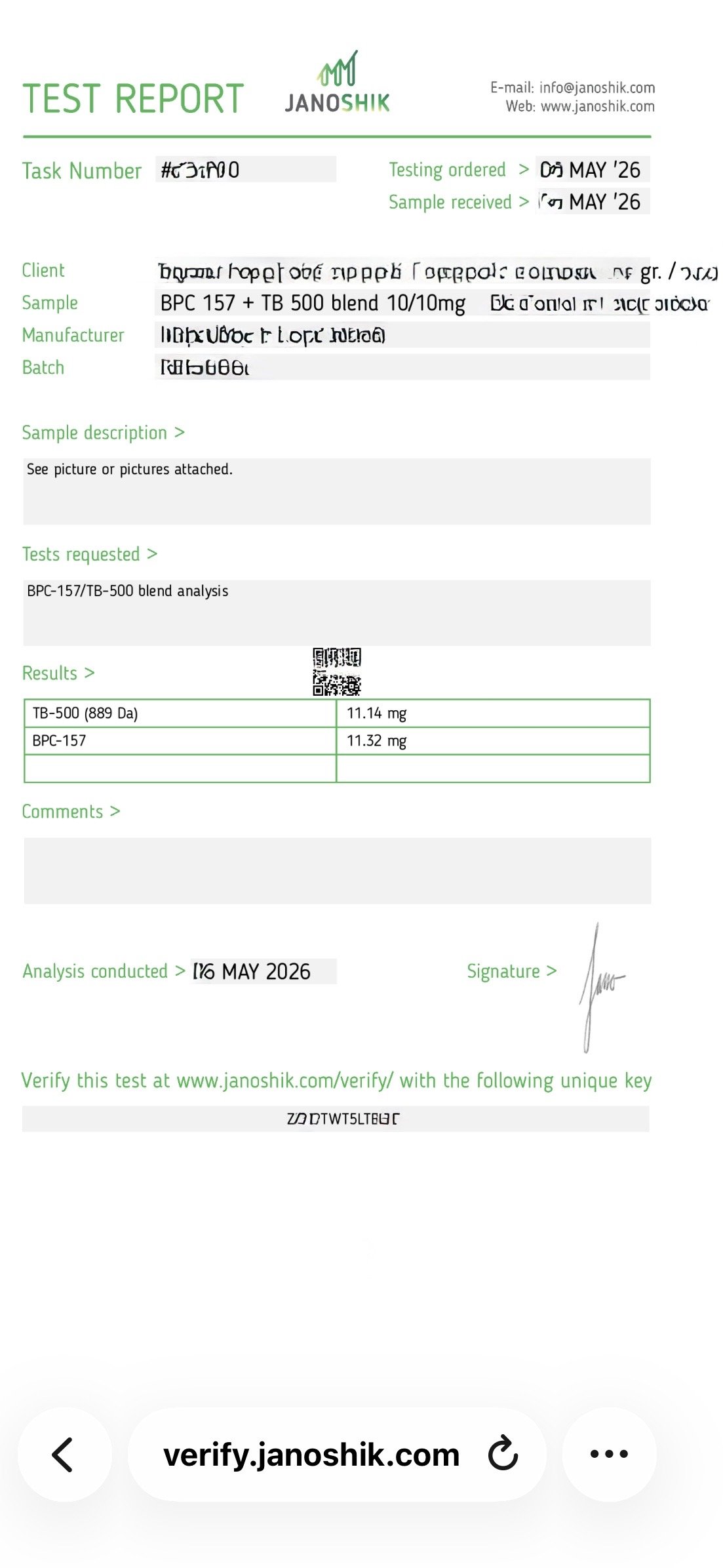 Image 3 of 3
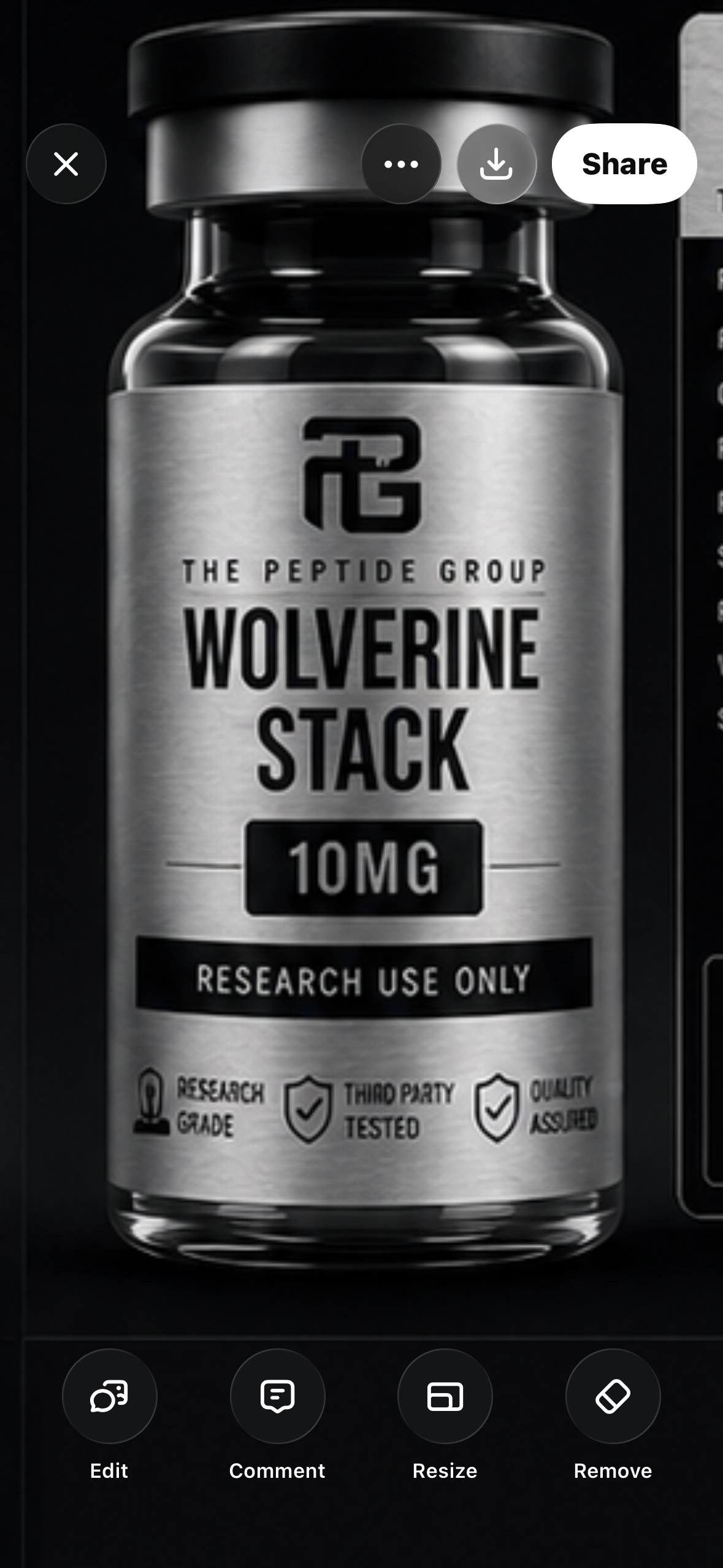
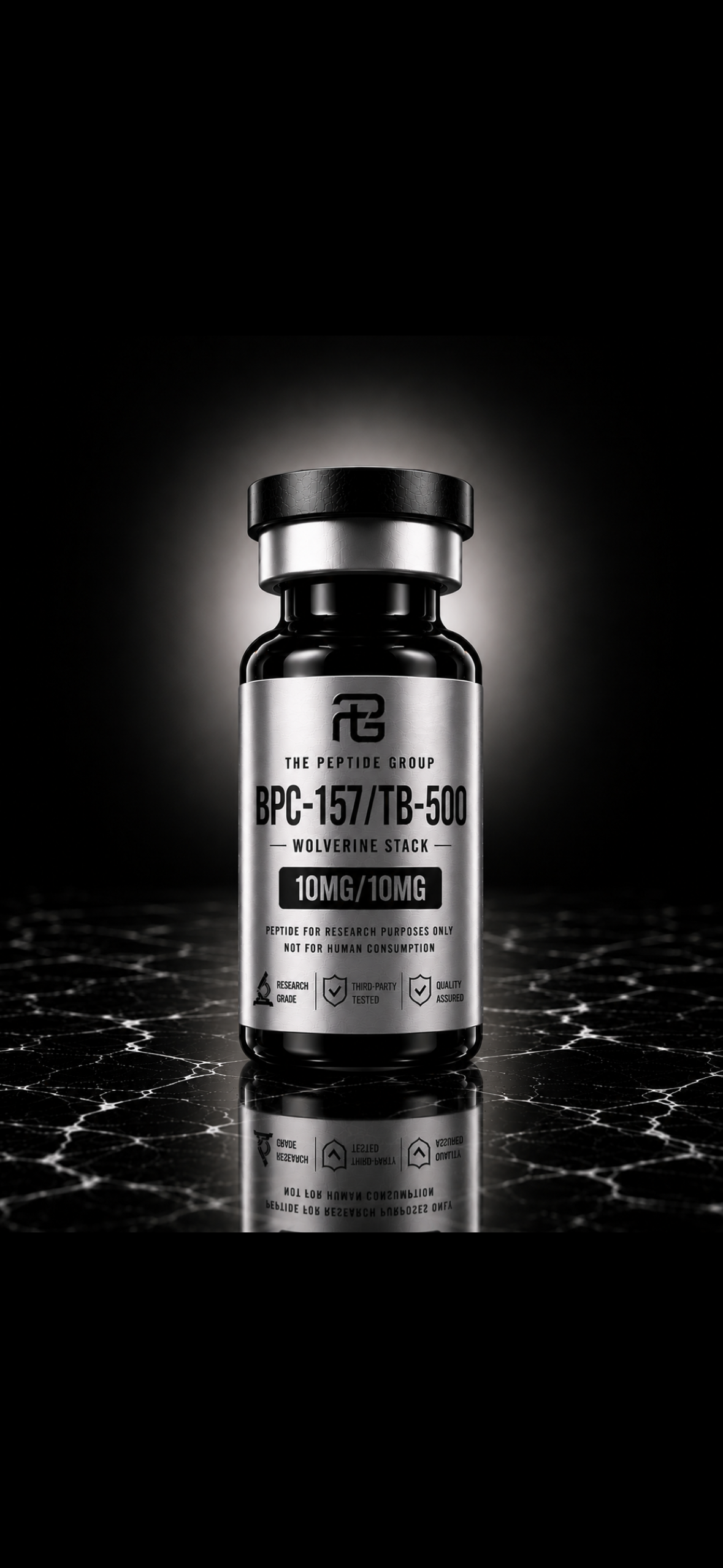
BPC-157/ TB-500 AKA "Wolverine Blend" Analytical Research Material
BPC-157 10 mg + TB-500 10 mg
Dual-peptide research blend for tissue-response, cellular signaling, and repair-pathway investigation
BPC-157 10 mg + TB-500 10 mg is a dual-peptide research blend investigated in experimental models involving tissue-response signaling, angiogenesis-related pathways, cellular migration, cytoskeletal regulation, and repair-associated biological processes.
BPC-157 and TB-500 are studied through different but potentially complementary research pathways. BPC-157 has been investigated primarily in preclinical research involving tissue response, vascular signaling, nitric-oxide-related pathways, and cellular protection, while TB-500 is associated with thymosin beta-4 research involving actin regulation, cellular migration, angiogenesis-related signaling, and tissue-remodeling processes.
Combining the two compounds provides researchers with a single preparation for investigating multiple repair-associated signaling systems within the same experimental model.
Each vial contains:
BPC-157 — 10 mg
TB-500 — 10 mg
Total peptide content — 20 mg
What is BPC-157 + TB-500?
BPC-157 is a synthetic 15-amino-acid peptide derived from a sequence associated with Body Protection Compound research.
It has been investigated primarily in preclinical and laboratory models involving tissue-response pathways, vascular signaling, cellular protection, angiogenesis-related processes, and interactions with nitric-oxide-associated signaling.
TB-500 is a synthetic research peptide associated with the broader study of thymosin beta-4 biology.
Thymosin beta-4-related research has focused extensively on actin dynamics, cytoskeletal organization, cellular migration, angiogenesis-related signaling, and tissue-remodeling pathways.
Because the two compounds are investigated through different biological mechanisms, the BPC-157 + TB-500 combination allows researchers to examine several interconnected processes within one experimental preparation.
Research involving this blend commonly examines:
Tissue-response signaling
Cellular migration
Angiogenesis-related pathways
Cytoskeletal and actin regulation
Vascular signaling
Nitric-oxide-associated pathways
Cellular protection mechanisms
Extracellular matrix and tissue remodeling
Repair-associated cellular signaling
Peptide interaction within experimental models
Why is BPC-157 + TB-500 researched?
The scientific interest in this combination comes from the fact that BPC-157 and TB-500 are not simply duplicates of one another.
They are investigated through different areas of peptide biology.
BPC-157 research has examined signaling associated with vascular response, endothelial pathways, nitric-oxide systems, cellular protection, and tissue integrity.
TB-500 and thymosin beta-4-related research focuses more heavily on actin sequestration, cytoskeletal dynamics, cellular movement, angiogenesis-related signaling, and tissue-remodeling processes.
Studying both compounds together allows researchers to investigate how multiple repair-associated pathways may behave within the same experimental system.
This makes the blend relevant to research involving:
cellular migration, vascular signaling, tissue-response pathways, cytoskeletal regulation, angiogenesis, and coordinated cellular remodeling.
In simple terms, the research value of the combination comes from examining two peptide systems associated with different components of the cellular response to tissue stress and remodeling.
What makes BPC-157 and TB-500 different?
Although both peptides appear frequently in repair-related research discussions, their scientific profiles are distinct.
BPC-157
BPC-157 has been investigated in preclinical research involving:
Vascular signaling
Experimental research has examined BPC-157 in connection with endothelial and vascular-response pathways.
Nitric-oxide-associated signaling
Studies have explored interactions between BPC-157 and nitric-oxide-related biological systems.
Cellular protection
BPC-157 has been evaluated in experimental models involving cytoprotective and tissue-response mechanisms.
Angiogenesis-related pathways
Research has examined signaling associated with vascular development and tissue-response processes.
TB-500
TB-500 is associated with thymosin beta-4-related research involving:
Actin regulation
Thymosin beta-4 biology is closely connected with actin, an essential structural protein involved in cellular organization and movement.
Cellular migration
Actin-related signaling makes this peptide system relevant to research involving cellular movement and remodeling.
Cytoskeletal dynamics
Researchers investigate how thymosin beta-4-associated pathways interact with cellular structure and organization.
Angiogenesis-related signaling
Thymosin beta-4 research also includes vascular-development and tissue-remodeling pathways.
Two research peptides. Distinct mechanisms. Complementary experimental pathways.
What makes the TPG standard different?
We don’t rely on supplier paperwork alone.
Every TPG batch is built around independent analytical verification, lot-level traceability, and accessible testing documentation.
Where applicable to the analytical methods performed, independent laboratory testing evaluates whether the tested material matches its stated identity, quantity, and purity specifications.
BPC-157 — 10 mg
TB-500 — 10 mg
✓ Batch-specific identification
✓ Quantitative content analysis
✓ Chromatographic purity analysis where performed
✓ Independent third-party laboratory testing
✓ Lot-specific documentation
✓ Certificate of Analysis availability
✓ Cold stored and carefully shipped
The Peptide Group Standard
Supplier documentation tells you what a material is claimed to contain.
Independent analytical testing determines whether the tested sample matches those stated specifications.
That distinction is central to the TPG standard.
We focus on identifiable lots, independent analytical data, and documentation researchers can review rather than relying solely on manufacturer or supplier claims.
Our standard is straightforward:
Identity. Quantity. Purity. Traceability.
Clearly identified material backed by analytical documentation.
Research first. Receipts included.
Product Information
BPC-157 10 mg + TB-500 10 mg is supplied as a single vial containing 20 mg total peptide material.
Lot-specific documentation and Certificate of Analysis information may be provided for applicable batches to support laboratory recordkeeping, material identification, analytical review, and batch traceability.
Specifications
Compound 1: BPC-157
BPC-157 content: 10 mg
Compound 2: TB-500
TB-500 content: 10 mg
Total peptide content: 20 mg per vial
Compound class: Dual-peptide research blend
Primary research areas: Tissue-response signaling, cellular migration, angiogenesis-related pathways, vascular signaling, cytoskeletal regulation, tissue remodeling
Analytical research material
Batch-specific identification
Independent third-party analytical testing
Certificate of Analysis where applicable
Lot-level traceability
Cold stored and carefully shipped
Research Use Notice
For analytical and laboratory research purposes only.
Not for human consumption. Not intended to diagnose, treat, cure, or prevent any disease.
Manufacturer and supplier information may be redacted from publicly displayed certificates to protect proprietary sourcing information and prevent unauthorized duplication or reuse. Analytical results, purity data, tested content, and reported quantities are not altered by these redactions.
BPC-157 10 mg + TB-500 10 mg
Dual-peptide research blend for tissue-response, cellular signaling, and repair-pathway investigation
BPC-157 10 mg + TB-500 10 mg is a dual-peptide research blend investigated in experimental models involving tissue-response signaling, angiogenesis-related pathways, cellular migration, cytoskeletal regulation, and repair-associated biological processes.
BPC-157 and TB-500 are studied through different but potentially complementary research pathways. BPC-157 has been investigated primarily in preclinical research involving tissue response, vascular signaling, nitric-oxide-related pathways, and cellular protection, while TB-500 is associated with thymosin beta-4 research involving actin regulation, cellular migration, angiogenesis-related signaling, and tissue-remodeling processes.
Combining the two compounds provides researchers with a single preparation for investigating multiple repair-associated signaling systems within the same experimental model.
Each vial contains:
BPC-157 — 10 mg
TB-500 — 10 mg
Total peptide content — 20 mg
What is BPC-157 + TB-500?
BPC-157 is a synthetic 15-amino-acid peptide derived from a sequence associated with Body Protection Compound research.
It has been investigated primarily in preclinical and laboratory models involving tissue-response pathways, vascular signaling, cellular protection, angiogenesis-related processes, and interactions with nitric-oxide-associated signaling.
TB-500 is a synthetic research peptide associated with the broader study of thymosin beta-4 biology.
Thymosin beta-4-related research has focused extensively on actin dynamics, cytoskeletal organization, cellular migration, angiogenesis-related signaling, and tissue-remodeling pathways.
Because the two compounds are investigated through different biological mechanisms, the BPC-157 + TB-500 combination allows researchers to examine several interconnected processes within one experimental preparation.
Research involving this blend commonly examines:
Tissue-response signaling
Cellular migration
Angiogenesis-related pathways
Cytoskeletal and actin regulation
Vascular signaling
Nitric-oxide-associated pathways
Cellular protection mechanisms
Extracellular matrix and tissue remodeling
Repair-associated cellular signaling
Peptide interaction within experimental models
Why is BPC-157 + TB-500 researched?
The scientific interest in this combination comes from the fact that BPC-157 and TB-500 are not simply duplicates of one another.
They are investigated through different areas of peptide biology.
BPC-157 research has examined signaling associated with vascular response, endothelial pathways, nitric-oxide systems, cellular protection, and tissue integrity.
TB-500 and thymosin beta-4-related research focuses more heavily on actin sequestration, cytoskeletal dynamics, cellular movement, angiogenesis-related signaling, and tissue-remodeling processes.
Studying both compounds together allows researchers to investigate how multiple repair-associated pathways may behave within the same experimental system.
This makes the blend relevant to research involving:
cellular migration, vascular signaling, tissue-response pathways, cytoskeletal regulation, angiogenesis, and coordinated cellular remodeling.
In simple terms, the research value of the combination comes from examining two peptide systems associated with different components of the cellular response to tissue stress and remodeling.
What makes BPC-157 and TB-500 different?
Although both peptides appear frequently in repair-related research discussions, their scientific profiles are distinct.
BPC-157
BPC-157 has been investigated in preclinical research involving:
Vascular signaling
Experimental research has examined BPC-157 in connection with endothelial and vascular-response pathways.
Nitric-oxide-associated signaling
Studies have explored interactions between BPC-157 and nitric-oxide-related biological systems.
Cellular protection
BPC-157 has been evaluated in experimental models involving cytoprotective and tissue-response mechanisms.
Angiogenesis-related pathways
Research has examined signaling associated with vascular development and tissue-response processes.
TB-500
TB-500 is associated with thymosin beta-4-related research involving:
Actin regulation
Thymosin beta-4 biology is closely connected with actin, an essential structural protein involved in cellular organization and movement.
Cellular migration
Actin-related signaling makes this peptide system relevant to research involving cellular movement and remodeling.
Cytoskeletal dynamics
Researchers investigate how thymosin beta-4-associated pathways interact with cellular structure and organization.
Angiogenesis-related signaling
Thymosin beta-4 research also includes vascular-development and tissue-remodeling pathways.
Two research peptides. Distinct mechanisms. Complementary experimental pathways.
What makes the TPG standard different?
We don’t rely on supplier paperwork alone.
Every TPG batch is built around independent analytical verification, lot-level traceability, and accessible testing documentation.
Where applicable to the analytical methods performed, independent laboratory testing evaluates whether the tested material matches its stated identity, quantity, and purity specifications.
BPC-157 — 10 mg
TB-500 — 10 mg
✓ Batch-specific identification
✓ Quantitative content analysis
✓ Chromatographic purity analysis where performed
✓ Independent third-party laboratory testing
✓ Lot-specific documentation
✓ Certificate of Analysis availability
✓ Cold stored and carefully shipped
The Peptide Group Standard
Supplier documentation tells you what a material is claimed to contain.
Independent analytical testing determines whether the tested sample matches those stated specifications.
That distinction is central to the TPG standard.
We focus on identifiable lots, independent analytical data, and documentation researchers can review rather than relying solely on manufacturer or supplier claims.
Our standard is straightforward:
Identity. Quantity. Purity. Traceability.
Clearly identified material backed by analytical documentation.
Research first. Receipts included.
Product Information
BPC-157 10 mg + TB-500 10 mg is supplied as a single vial containing 20 mg total peptide material.
Lot-specific documentation and Certificate of Analysis information may be provided for applicable batches to support laboratory recordkeeping, material identification, analytical review, and batch traceability.
Specifications
Compound 1: BPC-157
BPC-157 content: 10 mg
Compound 2: TB-500
TB-500 content: 10 mg
Total peptide content: 20 mg per vial
Compound class: Dual-peptide research blend
Primary research areas: Tissue-response signaling, cellular migration, angiogenesis-related pathways, vascular signaling, cytoskeletal regulation, tissue remodeling
Analytical research material
Batch-specific identification
Independent third-party analytical testing
Certificate of Analysis where applicable
Lot-level traceability
Cold stored and carefully shipped
Research Use Notice
For analytical and laboratory research purposes only.
Not for human consumption. Not intended to diagnose, treat, cure, or prevent any disease.
Manufacturer and supplier information may be redacted from publicly displayed certificates to protect proprietary sourcing information and prevent unauthorized duplication or reuse. Analytical results, purity data, tested content, and reported quantities are not altered by these redactions.