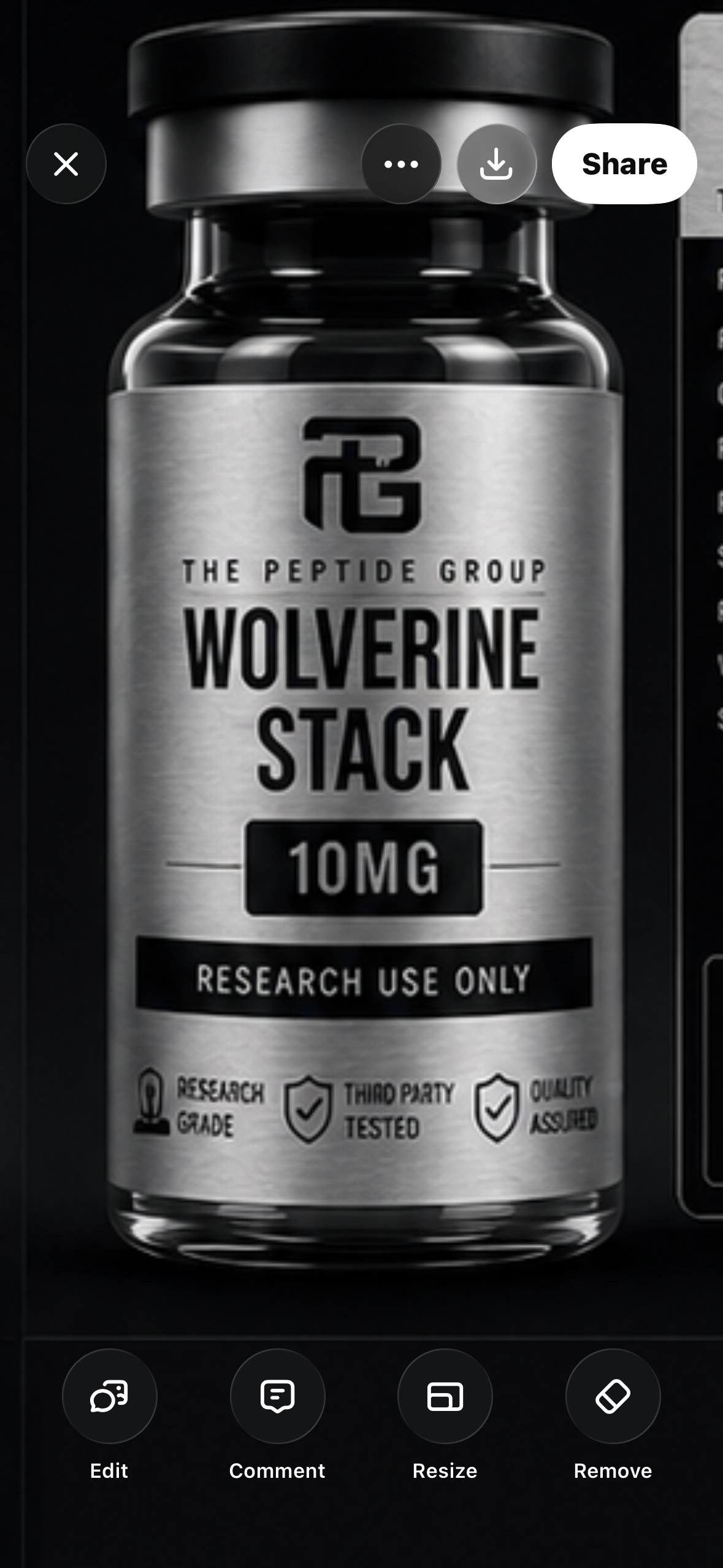
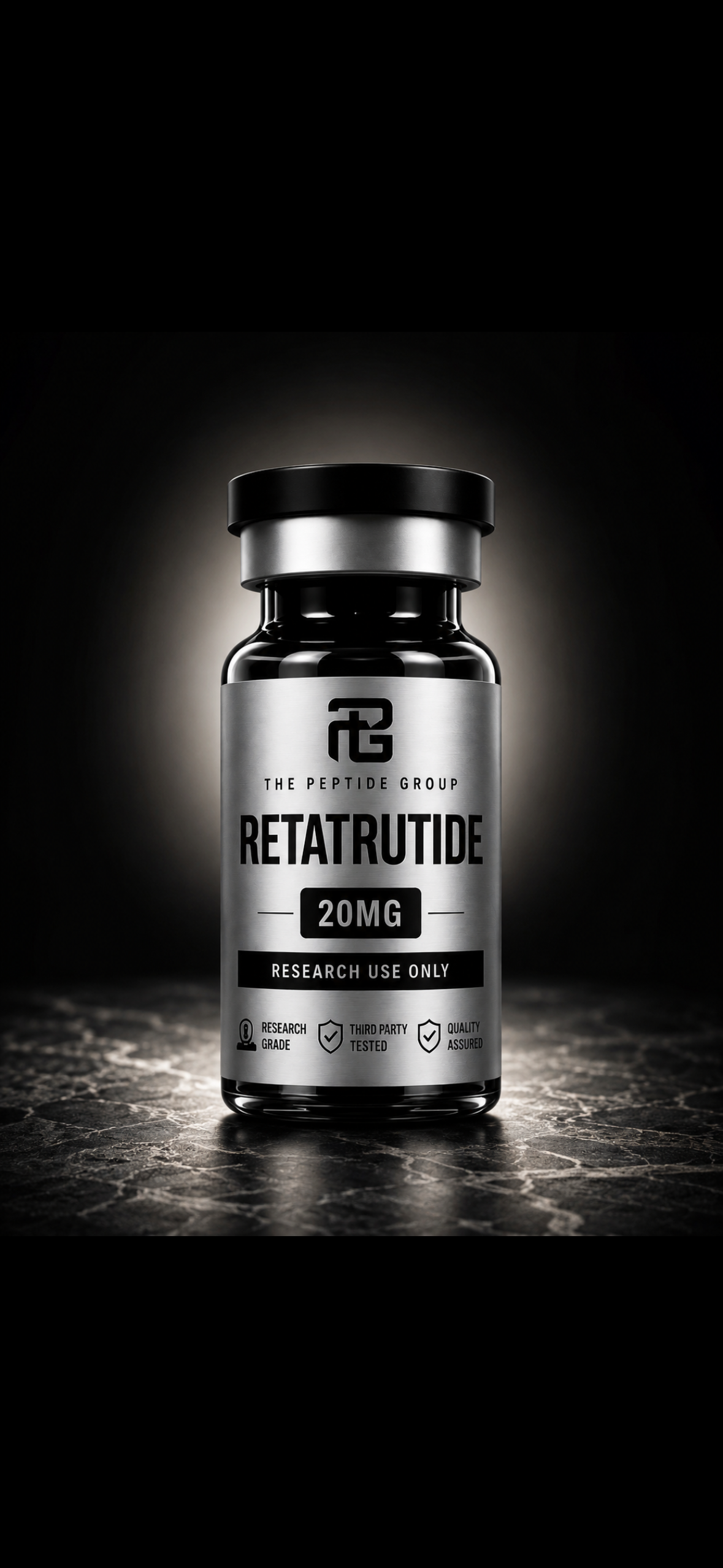
Your Peptides Arrived Hot. “Probably Fine” Isn’t Good Enough.
It is July.
The package reaches your door warm, and the explanation is always the same:
“Lyophilized peptides are stable during shipping.”
Okay.
But what exactly does “during shipping” mean?
Was the package inside a climate-controlled facility?
Was it sitting in a loading area with no air conditioning?
Did it spend two hours in a delivery truck—or the entire day?
Was that truck moving through Fargo?
Or Phoenix, where the inside may have felt more like an oven than “room temperature”?
The vial only shows you how it feels when it arrives.
It does not show you the previous forty-eight hours.
Dry, lyophilized peptides are generally more stable than peptides already in solution. Major laboratory suppliers commonly ship them at ambient temperature, and some technical guidance says they may remain stable at room temperature for days or weeks. (Bachem)
But that does not make every peptide equally stable.
Stability depends on the peptide sequence, packaging, moisture exposure, temperature and duration. Certain amino-acid sequences are more vulnerable to oxidation and other degradation pathways than others. (GenScript)
So nobody can honestly touch a hot package and guarantee it is ruined.
They also cannot touch it and guarantee absolutely nothing happened.
That is the uncomfortable part.
Without actual temperature tracking and peptide-specific stability data, “probably fine” is still a guess.
We believe unnecessary heat exposure should be reduced before the package ever reaches your door.
Faster transit.
Protective packaging.
Temperature-conscious handling.
Cold packing when appropriate.
Not because every vial needs to travel through an arctic expedition.
Because the customer should not be expected to reconstruct the weather, warehouse and delivery route after it arrives.
A hot package may still contain stable material.
But premium handling is not about seeing how much heat a product can survive.
It is about avoiding the experiment altogether.
Storage requirements vary by compound and formulation. Follow product-specific laboratory documentation. All products are sold strictly for laboratory research purposes and are not intended for human consumption.